
Extending the Golden Window of Your In‑Field Devices
Why sweating existing CPE is now the smartest move an operator can make


For years, pay TV operators were compelled to replace ageing CPE on a predictable refresh cycle to stay competitive. But the economics of pay TV have shifted. ARPU is flat or declining, memory and silicon prices have climbed, and next‑generation devices demand higher specs without guaranteeing higher revenue.
In this environment, the most valuable assets in your technology estate are often the devices you already have in the field. When the hardware is fully amortised yet still sufficiently performant, stable and secure, this is your golden window. Extending that period, even by one or two years, can transform annual operating profit.
As a simple example, adding two years to a million‑box estate at roughly three dollars per amortised year yields approximately ten million dollars in additional value. That is before you consider the opportunity cost of pulling teams away from new revenue‑generating work.
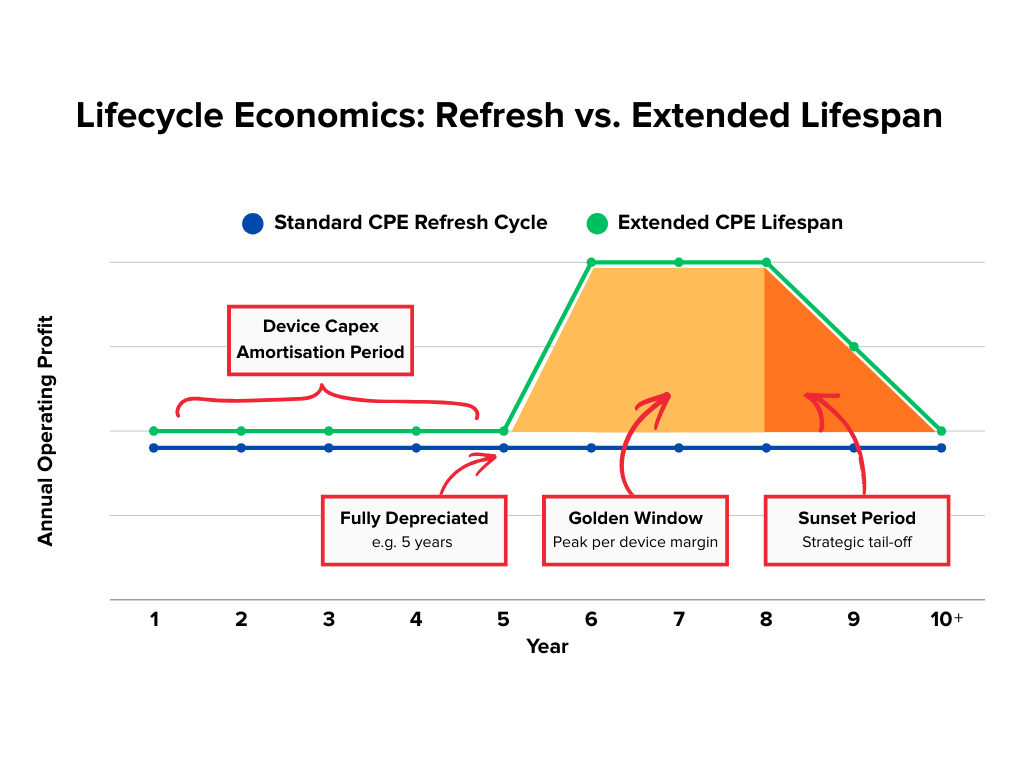
Operators worldwide are waking up to this and utilising a range of strategies to extend the in-field life of devices. In particular, a number of tier 1 operators are deploying engineering effort specifically focused on realising investor-relevant financial benefit. Their earnings reports variously mention Free Cash Flow Inflexion, Success-Based Capex, Asset sweating, and Reduced Capital Intensity, as they employ strategies to extend the golden window of their in-field devices.
The challenge is no longer the device itself. It is the creeping software obsolescence that makes a perfectly serviceable device feel past its best.
The real driver of early obsolescence is software, not hardware
Most deployed set‑top box devices fail not because the silicon gives out, but because:
- Android and other platforms deprecate older versions
- OTT applications and frameworks raise memory and performance requirements
- Existing platform software and drivers – blocking new apps and feature development
- Silicon (SoC) vendors tighten support windows and raise prices
- OEM SLAs only cover the bare minimum to stay contractually compliant
- The end of security updates from the OEM or silicon provider creates a perceived risk that triggers premature decommissioning
- Fragmentation accumulates over years of updates and integrations
This combination pushes operators into a capex cycle they don’t want and often struggle to justify. Investing to extend the life of old in-field devices often feels wrong – investment should be for the future, not the past. But in this case, our instincts are not to be trusted. Economic benefits in terms of delayed Capex and increased operating profit are compelling, and, with the right partners, can be realised with little risk.
When properly planned, in-field software upgrade and migration projects are cost-effective and can yield significant economic benefits.
A new mindset: Treat lifecycle extension as value creation
When done well, software governance to extend device life is not a stopgap. It is a strategic lever that:

Reduces the total cost of ownership
Avoids unnecessary capex
Minimises operational disruption
Lowers risk tied to vendor dependency
Maintains platform integrity – the end of ‘official’ security support doesn’t have to mean the end of the device lifespan
Supports sustainability (ESG) goals – delaying a refresh cycle reduces e-waste and Scope 3 supply chain emissions
Supports a phased transition between platforms without forcing a “big bang”
And with the right partner, gives your internal teams time and space to innovate
What does lifecycle extension involve?
Operators typically face one or more of the following scenarios.
- Harmonising fragmented estates
Groups with multiple regional subsidiaries, inherited device families, or just an accumulation of devices from various vendors often struggle with dozens of CPE device variants. Working with an experienced system integrator to harmonise the software estate and consolidate support can significantly reduce operational complexity. A single software baseline or middleware layer dramatically reduces costs and risks, unlocking years of additional in-field life. - Extending device life by addressing software bottlenecks
The common failure point is rarely the SoC. It is typically memory, footprint, or unoptimised libraries accumulated over the years. Removing redundant packages, optimising memory usage, consolidating multiple SSL or Curl versions, or reworking lifecycle management can provide sufficient headroom to run updated OTT apps without needing new hardware. - Adding features to an existing device mid‑cycle
The integration of new features (e.g. new OTT capabilities) can often be implemented without a full-image upgrade, thereby avoiding the SoC vendor and OEM costs associated with a “full refresh”. Extending a device so that new features and user experiences can be added efficiently from the cloud gives it a whole new lease of life and can save millions, not thousands. Many of our Tier 1 operator customers have used this approach to great effect. - Consolidating Responsibility
Many OEMs are typically focused on new hardware sales and are not incentivised to provide long-term support. Whereas operators increasingly want a single partner who will manage and support all devices, SoC vendors, OEMs and other third parties on their behalf, resolving issues and adding features without dragging internal teams back into legacy firefighting. - Bridging the Security Gap
One of the most significant hurdles to extending device lifespan is the cessation of security patches from original providers. A trusted partner with deep security heritage can take over this responsibility, monitoring vulnerabilities and hardening the stack independently of the OEM. This ensures the device remains a secure gateway to the home long after the original vendor roadmap has ended.
Why this matters now
Operators are under pressure on multiple fronts. Costs are rising, new revenues are not keeping pace, and the market has shifted to a place where innovation must come from software, partnerships and user experience rather than hardware horsepower.
Launching new devices is becoming harder to justify, and arguments increasingly focus on maintaining existing revenues rather than investing for growth.
Sweating assets for longer used to be a compromise. Today, it is one of the few ways operators can unlock meaningful savings by maximising per-device margin and extending the golden window without degrading the customer experience.
When this is done properly, it removes engineering firefighting, stabilises the platform and gives product teams the time to deliver what your customers really value.
It requires specialist skills and hard-earned experience to handle everything from multi-vendor system integration management to the engineering complexities of legacy toolchains, codebases with unsupported drivers, memory footprint constraints, and a myriad of undocumented features.
Often, these capabilities have been the preserve of operators with significant engineering resources. But with over 20 years of experience in integrating, optimising, and managing carrier-grade platforms, including a rigorous focus on cybersecurity and long-term patch management, Consult Red can offer this service to all operators.
The opportunity in plain terms
If your devices are:
- Stable
- Trusted by subscribers
- Written down financially
- Constrained only by manageable software or security support issues
Then you are sitting on value that deserves to be unlocked, not replaced.
This is the golden window. Extending the lifespan of your devices is not about nostalgia. It is about protecting margin, delaying unnecessary spend and giving your teams space to innovate.
If this resonates
Get in touch to arrange a conversation and explore what realistic gains to your golden window might be possible.
Related Insights
Articles
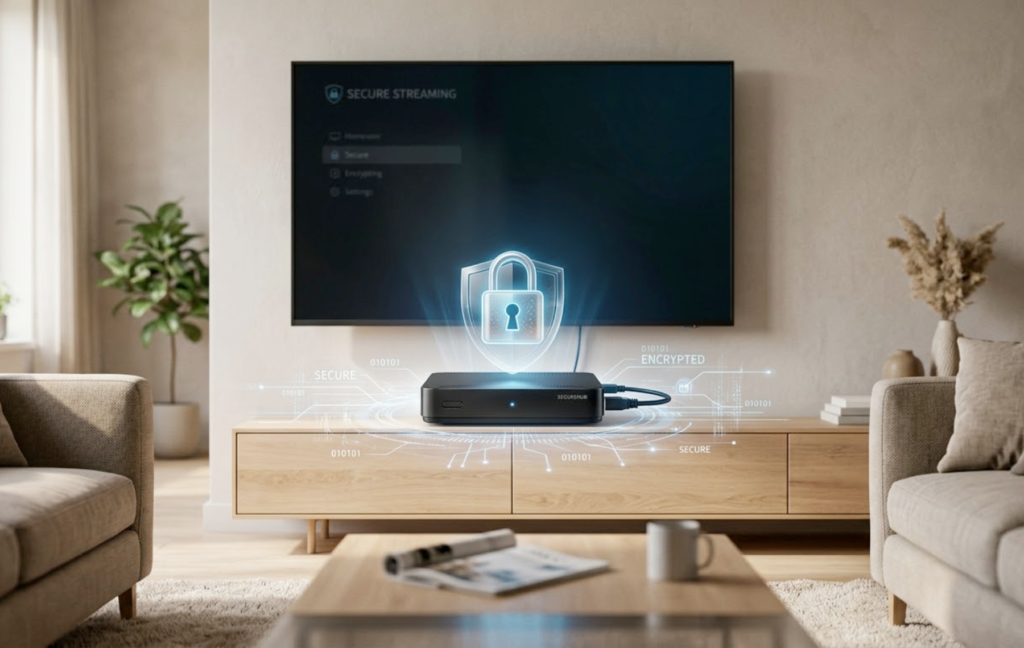
What 40 million daily users taught us about device security
Lessons learnt from 20 years of engineering the world’s largest connected TV platforms.

Articles
Clawing Back Control of the Home: Why Operators Must Act Before AI Assistants Take Over
Open-Source AI assistants like OpenClaw are revealing what consumers really want: a useful, configurable home AI.
Case Studies
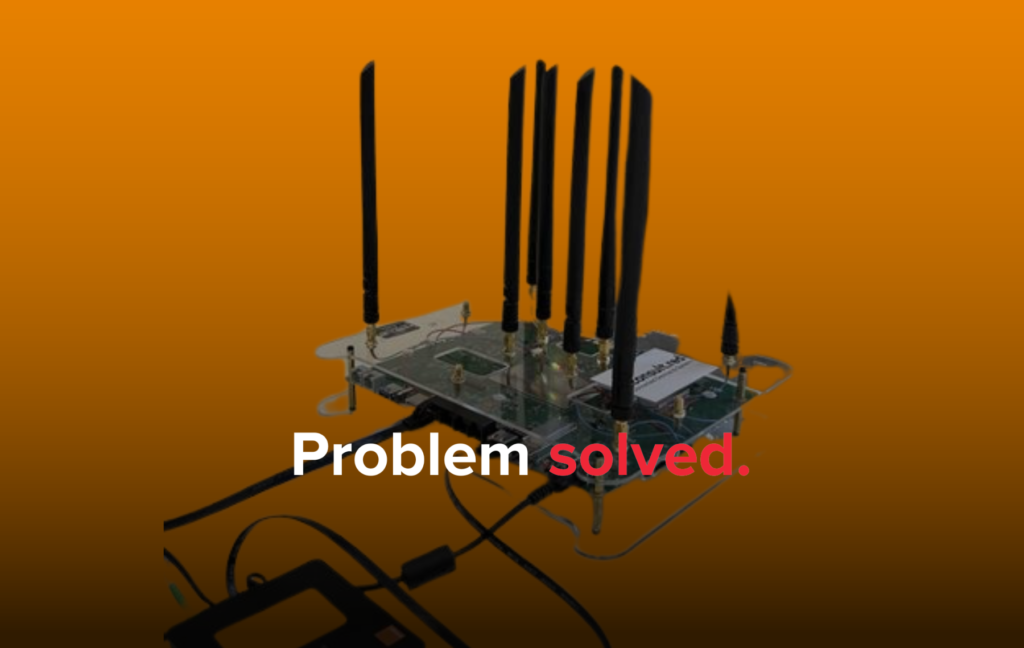
prplOS Platform Proof of Concept
Exploration and validation of software platform alternatives, supporting Orange Polska’s existing operational requirements.