
Planning and Design Services
Translating a product concept into something that can be built, tested, and manufactured at scale is where many connected product programmes encounter their most significant challenges. Scope grows. Assumptions prove incorrect. Designs that work in the lab behave differently in production.
We have been planning and designing connected products for over 20 years. Our hardware and software designs are deployed across millions of homes and devices, spanning set-top boxes, medical devices, smart EV chargers, IoT telemetry systems, environmental monitors, Bluetooth devices, and a wide range of consumer and industrial applications.
That breadth of delivery experience shapes how we approach planning and design. We design for the real world: for the security requirements your product will face, the manufacturing volumes you are targeting, and the operational lifetime you need to support.
From proof of concept to design for manufacture
Planning and design is not a single activity. It is a sequence of decisions, each of which creates the conditions for the next.
We support clients at every stage of that sequence, from initial proof of concept through to a design that is ready for volume manufacture.
Product prototype and early validation
Proof of concept and prototyping
Before committing to full product development, a structured proof-of-concept phase lets you test the technical and operational feasibility of your approach, validate your architecture, and surface risks while they are still cheap to address.
For intelligent devices in particular, where security, data privacy, connectivity, and compliance all intersect, a rigorous PoC phase is not optional; it is the foundation on which the rest of the programme depends.
We have delivered PoC and prototype programmes across a wide range of scales, from specialist equipment produced in small runs to consumer electronics that shipped in the millions.
- Wireless range, power, and data requirements validation
- End-to-end security review
- Data portability and interoperability assessment
- Compliance and certification pathway planning
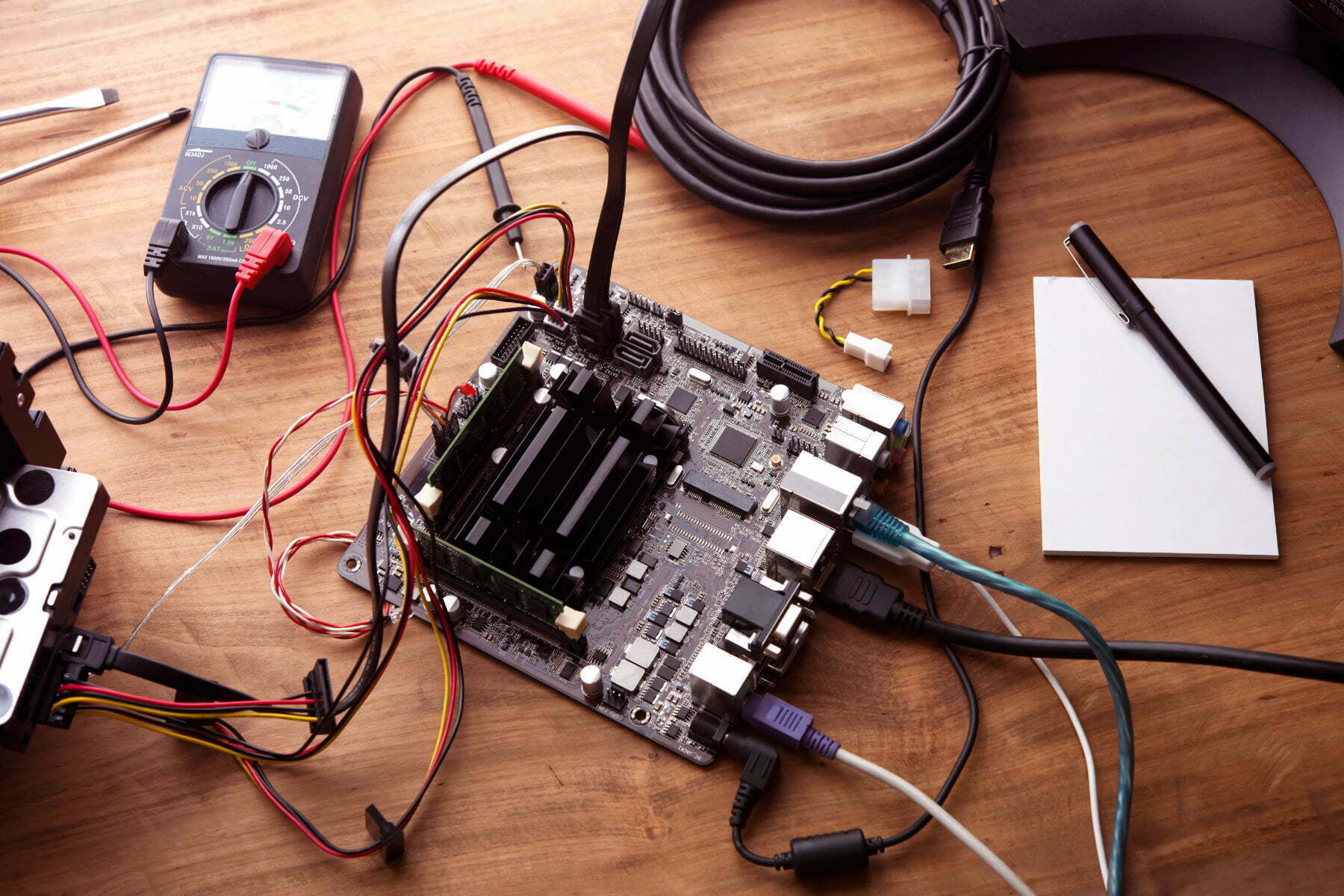
Architecture, solution design and project management
Product development and systems integration
Good architecture is invisible in a finished product, but its absence is not.
We bring rigorous systems thinking to solution architecture and product development, managing the complexity of hardware, software, and cloud components as an integrated whole rather than as separate workstreams.
- Ideation and requirements management
- Solution architecture and system design
- Hardware and software design integration
- System integration and stakeholder management
- Project planning and programme optimisation

Design a complete product ready for manufacture
Hardware design
We design hardware for connected products that need to perform reliably in production, at the volumes and in the environments your product will actually operate in.
Our hardware design capability spans RF technology, high-speed digital design, power management, and low-power device design, through to regulatory compliance and evaluation testing.
- RF technology and antenna design
- High-speed digital design
- Power supply and low-power design
- Digital interfaces and connectivity
- Regulatory compliance and testing
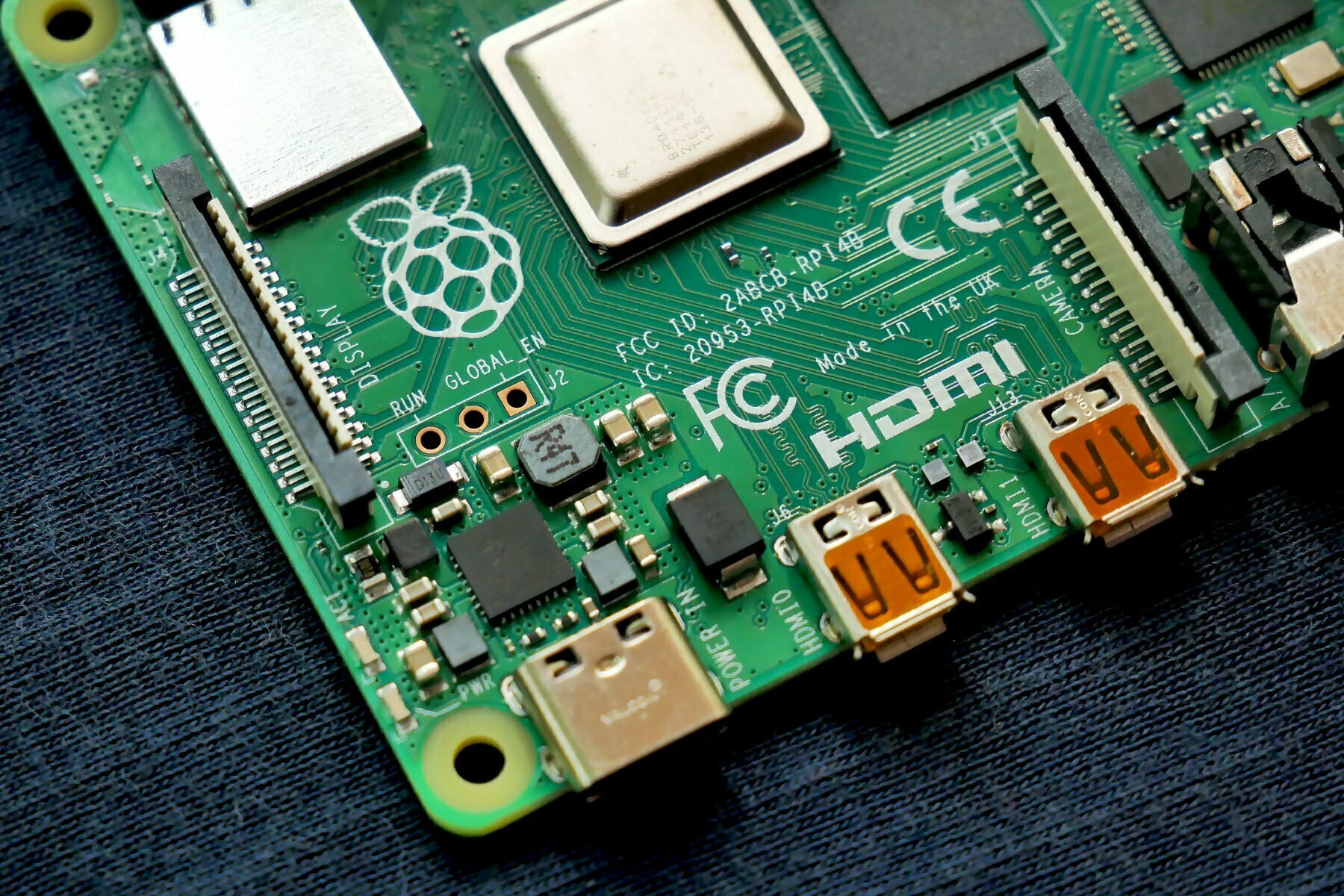
‘Full stack’ expertise ready to assist our clients
Software design
Software design for connected products requires full-stack thinking – from OS and kernel level through to middleware, platform, and user interface.
We design embedded software architectures that are maintainable, secure, and built to accommodate the updates and extensions that connected products require throughout their operational lifetime.
- Platform and OS architecture
- Middleware design
- Kernel and driver development
- User interface design
- Security integration
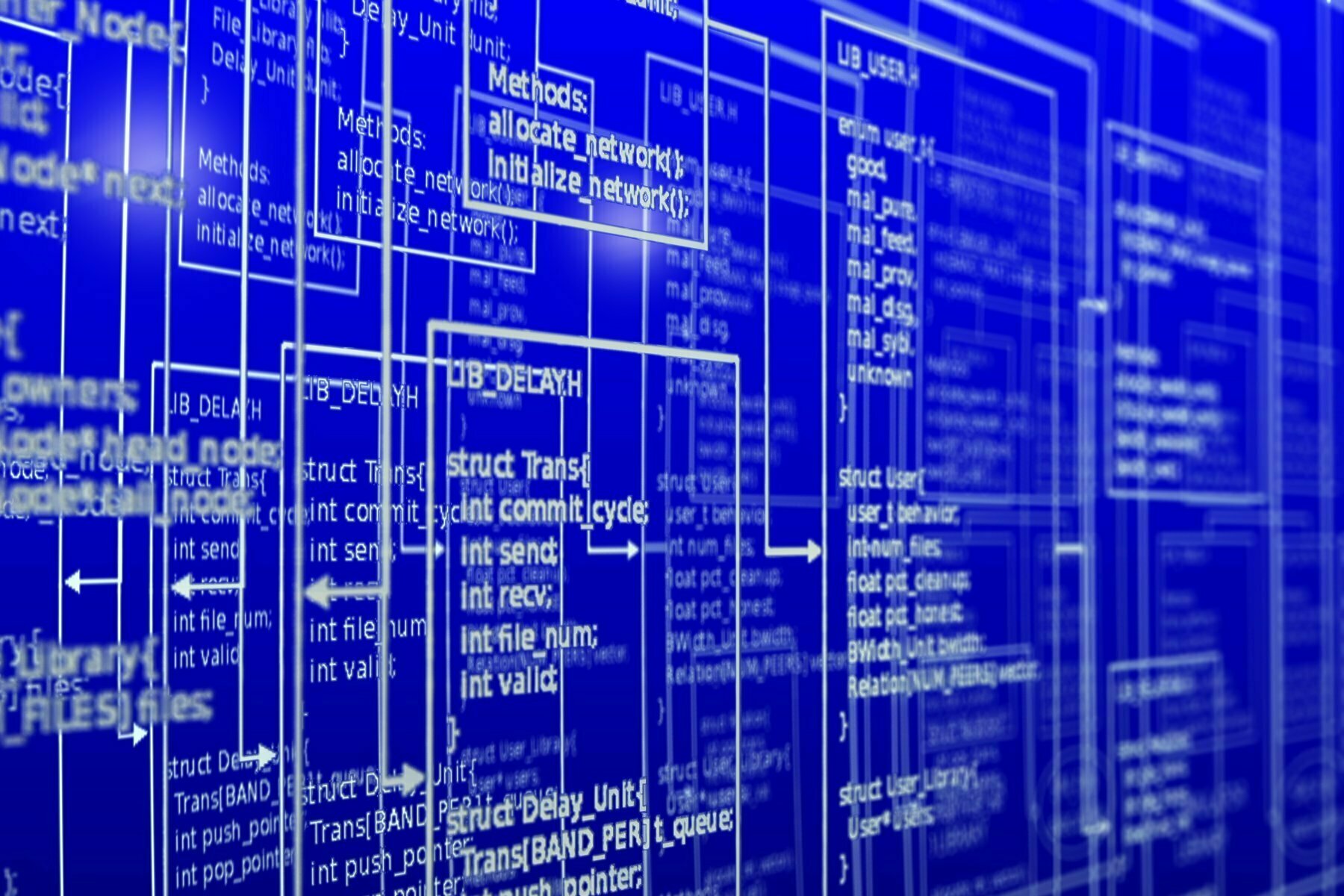
Product design and development with scale in mind
Design for manufacture
A product that cannot be manufactured reliably and cost-effectively at volume is not a finished design.
We build manufacturing considerations in from the outset (mechanical design, cost optimisation, test equipment, and manufacturing partner selection), so that the transition from prototype to production does not become a programme in its own right.
- Mechanical design
- Cost reduction and optimisation
- Test and service equipment design
- Product test planning
- Manufacturing partner selection and management
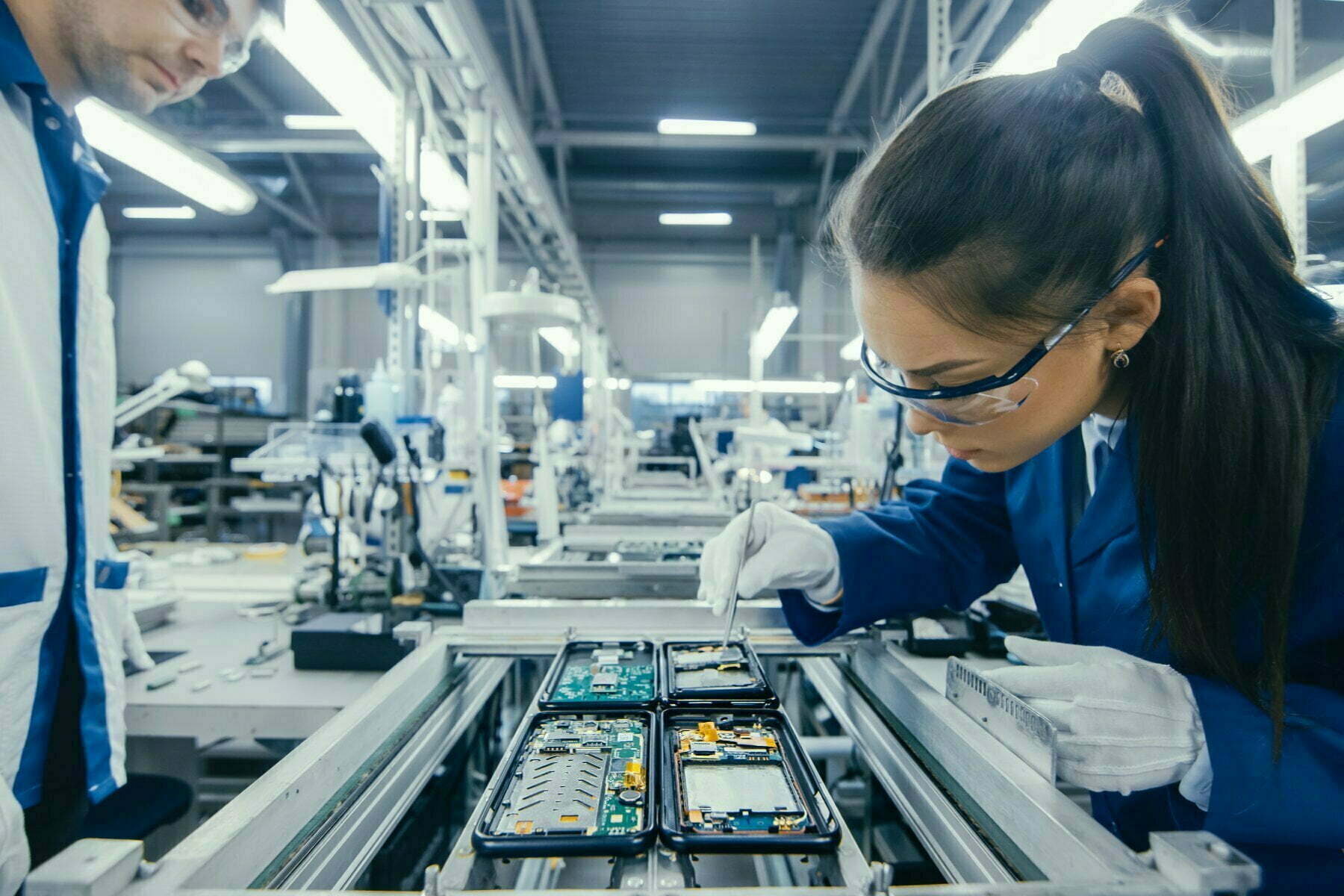
Scalable, secure services intelligent devices for
Cloud solutions
Most connected products depend on a cloud backend for data ingestion, device management, and service delivery.
We design and build scalable, secure cloud architectures on AWS, Google Cloud, and Microsoft Azure, with expertise in data and video streaming, serverless applications, and microservices for connected-device platforms.
- AWS, Google Cloud, and Microsoft Azure
- Data and video streaming architecture
- Serverless application design
- Microservices for connected devices
- AI and machine learning integration

Why Consult Red for planning and design?
The difference between a consultancy that produces designs and one that delivers products that work in production comes down to implementation experience.
We do not hand off to someone else at the point of manufacture; we have carried programmes through from initial concept to volume production, and that continuity shapes how we design.
Our team brings over 20 years of connected product delivery across media, broadband, industrial, healthcare, and consumer electronics sectors. Our solutions are deployed in more than 100 million homes worldwide.
What to expect
Initial consultation
We begin with a scoping conversation to understand your product concept, your timeline, your target volumes, and the specific challenges you are facing.
There is no charge for this.
Planning and design engagement
Depending on the scope, a planning and design engagement can range from a focused PoC programme of four to six weeks to a full product design programme spanning several months.
We work collaboratively with your team throughout, providing regular structured checkpoints rather than a single end-of-programme deliverable.
Outputs
At each stage, you receive clear, actionable outputs: architecture documentation, design specifications, prototype hardware or software where applicable, compliance pathway assessments, and a design-for-manufacture package where the engagement extends to production readiness.
We are experts in intelligent product design and development


Frequently asked questions
-
What is a proof of concept (PoC) for a connected product, and do I need one?
A proof of concept is a structured programme that tests the technical and operational feasibility of your product approach before full development begins.
For connected products, where hardware, embedded software, connectivity, security, and cloud components all interact, a PoC phase surfaces integration risks and validates assumptions while they are still inexpensive to address.
Whether you need one depends on the novelty and complexity of your approach: if your product involves new hardware, new platform combinations, or significant uncertainty about how components will perform together, a PoC is almost always the right first step.
-
What is the difference between a proof of concept and a minimum viable product (MVP)?
A proof of concept tests whether an approach is technically feasible. An MVP is a functional product, reduced in scope, that can be released to real users to validate market assumptions.
A PoC typically precedes an MVP: you prove the approach works before investing in building a shippable version of it.
Some programmes move directly to MVP without a formal PoC phase, but this carries higher risk if the underlying technical approach has not been validated.
-
How long does a connected product design programme typically take?
It depends on scope and complexity. A focused PoC programme typically runs four to six weeks.
A full product design programme, covering systems architecture, hardware design, software design, and design for manufacture, typically takes several months, with the timeline shaped by the novelty of the hardware, the number of third-party components requiring integration, and the certification requirements involved.
We agree the scope and timeline at the outset and provide regular progress checkpoints throughout.
-
Can you design both the hardware and software for our product?
Yes. Full-stack planning and design is one of our core strengths. We design hardware and software as an integrated system rather than as separate workstreams, which reduces integration risk and produces cleaner, more maintainable architectures.
Our capability spans RF and PCB hardware design, embedded software from bare-metal through to embedded Linux and Android, cloud backend architecture, and user interface design.
-
What does design for manufacture mean, and when should it be considered?
Design for manufacture (DFM) is the process of designing a product so that it can be produced reliably and cost-effectively at your target volume.
It covers mechanical design, component selection for availability and cost at scale, test equipment design, and manufacturing partner selection.
DFM considerations should be introduced early in the design process, ideally from the architecture stage, rather than being applied as a retrospective pass before production.
Products that are designed without manufacturing in mind frequently require costly redesign before they can be produced at volume.
-
Do you work with clients who already have an existing design that needs to be developed further?
Yes. We regularly join programmes that are already underway, to take an existing architecture forward, resolve a design challenge, add a capability, or prepare a design for volume manufacture.
The entry point depends on where you are in the programme and what you need. We can conduct a design review to assess the current state before agreeing the scope of our engagement.
-
How does the planning and design phase connect to development and manufacture?
Planning and design produce the specifications, architectures, and verified prototypes that development and manufacturing depend on.
Clients who work with us through planning and design typically continue with us into the development and MVP phase, which moves from validated design into production-quality software and hardware.
Beyond that, our production and scale service supports the transition to volume manufacture. Working with a single partner across these stages reduces handoff risk and maintains continuity of design intent.
-
What sectors do you have planning and design experience in?
Our planning and design experience spans media and entertainment (set-top boxes, video platforms, streaming devices), broadband and telecoms (smart routers, CPE, broadband gateways), industrial and manufacturing (edge AI devices, intelligent inspection systems), healthcare (connected medical and monitoring devices), consumer electronics (IoT devices, smart home products), and energy and utilities (monitoring and management devices).
Ready to start planning your intelligent, connected product?
Whether you are starting from a concept or need to take an existing design further, we can help you plan, design, and build a connected product that is ready for the real world.

Some of product planning and design work
Case Studies
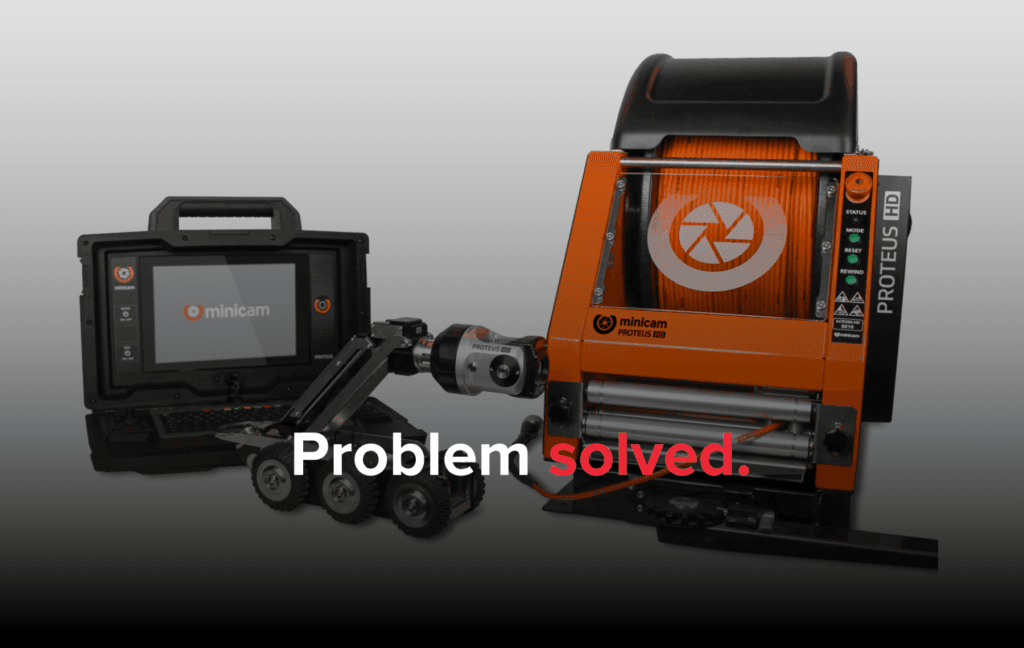
Long distance HD video over copper for minicam
minicam needed to upgrade its camera systems from SD to HD without replacing existing copper cabling.
Case Studies
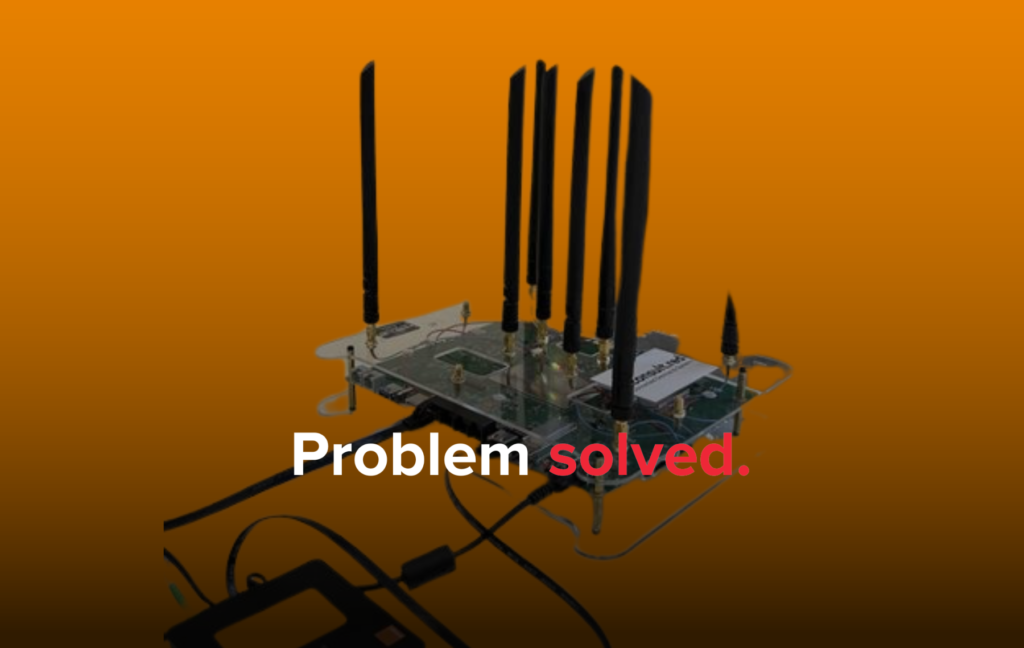
prplOS Platform Proof of Concept
Exploration and validation of software platform alternatives, supporting Orange Polska’s existing operational requirements.
Case Studies, News
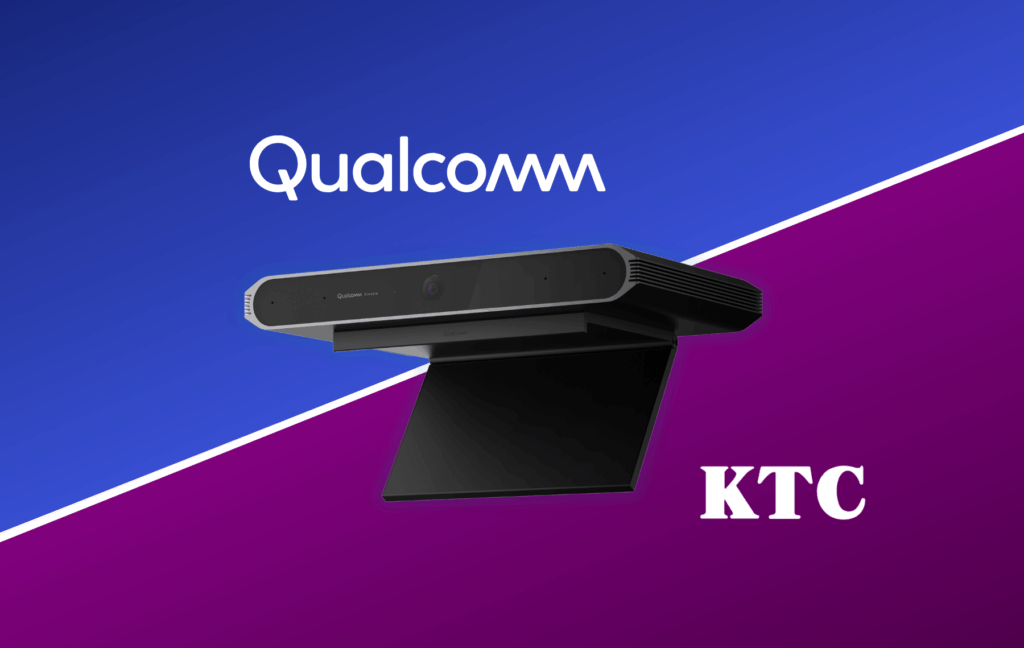
KTC and Consult Red Showcase Evolving AI Media Station powered by Qualcomm Dragonwing at CES 2026
Redefining AI-Enabled Media Interaction in the Smart Home, powered by the Qualcomm Dragonwing™ QCS8550 Processor