
Research & Strategy Services
The decisions made at the start of a connected product development programme have a longer reach than many teams anticipate. Platform selection, architecture, security posture, and build-versus-buy trade-offs: these choices define your cost structure, time to market, and options for future development.
Getting them right requires more than desk research. It requires direct experience of how these technologies perform in production, at scale, under real-world constraints.
That is what we bring. With over 20 years of connected product development across media, broadband, and industrial sectors, and solutions deployed in more than 100 million households worldwide, our research and strategy engagements are grounded in the same platforms and problems we work with every day.
What our research and strategy services cover
Most connected product programmes that run late or over budget do not fail at the development stage. They fail because of decisions taken (or not taken) much earlier.
Choosing the wrong platform, underestimating integration complexity, or misreading the security and compliance requirements can each add months and high cost to a programme. In some cases, they require a fundamental rethink after development is already underway.
A structured research and strategy engagement addresses this directly. It gives your team a validated technical direction, a clear picture of cost and risk, and a development foundation that holds up under scrutiny from your engineering team, your finance function, and your board.
It’s important to be clear from the outset about the product’s scale, how you’ll handle data, security, privacy, interoperability, and many other factors.
We tailor each engagement to the specific decisions a client needs to make. The work typically spans some or all of the following areas.
Positioning yourself in the market
Market landscape analysis
Understanding where the technology is heading matters as much as understanding where it is today. We assess the emerging platform landscape, map competitive positioning, identify critical success factors, and help you understand which bets are likely to pay off and which carry hidden risk.
- Emerging technology and platform trends
- Competitive and market landscape research
- Existing and evolving service models
- Critical success factors for your sector

Is your idea viable in the real world?
Feasibility and ROI studies
Before committing to a development programme, you need confidence that your proposed approach is viable – technically, commercially, and operationally. We assess solution architecture options, model cost and resource requirements, and produce a clear view of scope and return on investment.
- Solution architecture assessment
- Cost and resource modelling
- Scope definition and phasing
- ROI and business case support

Understand the true cost of your product in detail
Commercial technology analysis
The true cost of a connected product is rarely visible in the initial budget. Total cost of ownership across development, integration, certification, maintenance, and lifecycle refresh often looks very different when examined in detail. We help you understand the full picture before you commit.
- Total cost of ownership analysis
- Cost-benefit assessment across platform options
- Lifecycle planning and refresh modelling
- Impact analysis of specific technology choices

Trust is a critical success factor right from the start
Security assessment
Security is significantly cheaper to design in than to retrofit. We assess your current and future security requirements, identify gaps in a proposed architecture, and produce a clear plan for implementation and ongoing management — aligned with cybersecurity legislation where applicable.
- Current and future security needs assessment
- Secure architecture planning
- Implementation and management roadmap
- Compliance alignment (EU CRA, EU RED, UK PTSI)

Helping make technical and strategic decisions
Technical assessment and supplier evaluation
When you need an independent view of what a supplier or technology partner is actually offering, we provide it. We assess hardware and software solutions against your requirements, probe and challenge product claims, conduct lab testing and verification where appropriate, and give you a clear basis for selection decisions.
- Independent hardware and software assessment
- Lab testing and technical verification
- Supplier capability evaluation
- Objective input to selection decisions

We’ll help you find the right partners
Tender process support
Structuring a well-scoped tender is a skill in itself. We help you write the brief, define evaluation criteria, scope the supplier list, assess responses, and navigate the selection process, so you go into development with the right partner and a shared understanding of what is being built.
- Tender and RFQ development
- Supplier identification and scoping
- Response evaluation and scoring
- Selection support and recommendation

Why Consult Red for research and strategy?
Consultancies that do not build anything can offer analysis. We offer analysis backed by direct implementation experience across the platforms and architectures we assess.
Our team has delivered connected product programmes for some of the world’s leading media operators, broadband providers, and device manufacturers – including long-term engagements with operators whose platforms now reach tens of millions of subscribers. When we assess a platform, evaluate a supplier, or model a total cost of ownership, we are drawing on real delivery experience, not just market intelligence.
What to expect
A research and strategy engagement with Consult Red typically follows three stages:

Scoping call
We begin with a focused conversation to understand your product, your timeline, and the specific decisions you need to make. There is no charge for this.

Engagement and analysis
Depending on the scope, a strategy engagement typically runs between three and eight weeks. We work collaboratively with your team, drawing on our own technical resources, platform experience, and partner network as required.

Deliverable
You receive a clear, structured output: a validated technical direction, a build-versus-buy recommendation where relevant, a risk and cost assessment, and a roadmap your team can act on with confidence.
Our capability across connected product development
Research and strategy is the first step in a broader development journey. Where clients need support beyond the strategy phase, we provide end-to-end delivery across the full product lifecycle.



Frequently asked questions
-
When should I commission a technology research and strategy engagement?
The right time is before significant development investment is committed. If you are evaluating platform options, assessing the feasibility of a new product, considering a major architectural change, or about to issue a tender to technology partners, a strategy engagement will give you a clearer, better-evidenced basis for those decisions. The earlier in the programme the better, but we also work with teams who need to validate or course-correct partway through.
-
What does a connected product feasibility study typically include?
A feasibility study for a connected product typically covers solution architecture options, technical risk assessment, cost and resource modelling, scope definition, and an initial view of ROI or business case. The scope is tailored to your specific situation. Some clients need a rapid assessment of a single technology decision; others need a more comprehensive evaluation across multiple dimensions.
-
How long does a technology strategy engagement take?
Most engagements run between three and eight weeks, depending on scope and complexity. A focused feasibility study or platform assessment can often be completed in three to four weeks. A more comprehensive strategy engagement, covering the market landscape, security, commercial analysis, and supplier evaluation, typically takes six to eight weeks. We agree on the scope and timeline at the outset.
-
What is a total cost of ownership analysis for a connected product?
A total cost of ownership (TCO) analysis models the full cost of a connected product over its operational lifetime, including development, integration, certification, cloud infrastructure, maintenance, security updates, and lifecycle refresh. For many products, the costs beyond initial development represent the majority of lifetime spend. A TCO analysis gives product and finance teams a realistic picture of what they are committing to before development begins.
-
How do you assess which embedded platform is right for our product?
We evaluate platforms against your specific requirements: performance, power, connectivity, ecosystem maturity, total cost, vendor stability, and your team’s existing expertise. Where relevant, we conduct lab-based testing and verification rather than relying solely on vendor documentation. Our multi-platform experience across Qualcomm, Amlogic, Broadcom, NXP, and others means we can give you an independent view rather than defaulting to a familiar recommendation.
-
Can you provide an independent assessment of a technology supplier or partner?
Yes. Independent technical assessment is one of the most common reasons clients come to us for a strategy engagement. We assess supplier claims against your requirements, conduct technical verification where appropriate, and give you a clear, evidence-based basis for selection decisions. Because we are not tied to any single vendor or platform, our assessment is genuinely independent.
-
What is the difference between a research and strategy engagement and a proof of concept?
A research and strategy engagement produces a validated direction and a documented recommendation. It is analytical and advisory in nature. A proof of concept (PoC) produces working code or hardware that tests whether a specific approach is viable in practice. The two are complementary: strategy typically precedes a PoC, giving you the confidence to invest in prototyping the right approach. We offer both, and many clients move from strategy into planning, design, and development with us as a single continuous engagement.
-
Do you work with clients who are mid-programme and need to validate or change direction?
Yes. While early engagement produces the best outcomes, we regularly work with teams that are partway through a programme and need an independent view. This might be a technical assessment of a supplier’s delivery, a review of an architecture that is not performing as expected, or a TCO analysis ahead of a significant investment decision. The approach is the same: clear analysis, practical recommendations, and outputs your team can act on.
Ready to set the right direction for your connected product?
A research and strategy engagement is typically the most cost-effective step you can take before committing to development. We will help you validate your approach, understand your options, and move forward with confidence.

Some of our research and strategy work
Case Studies
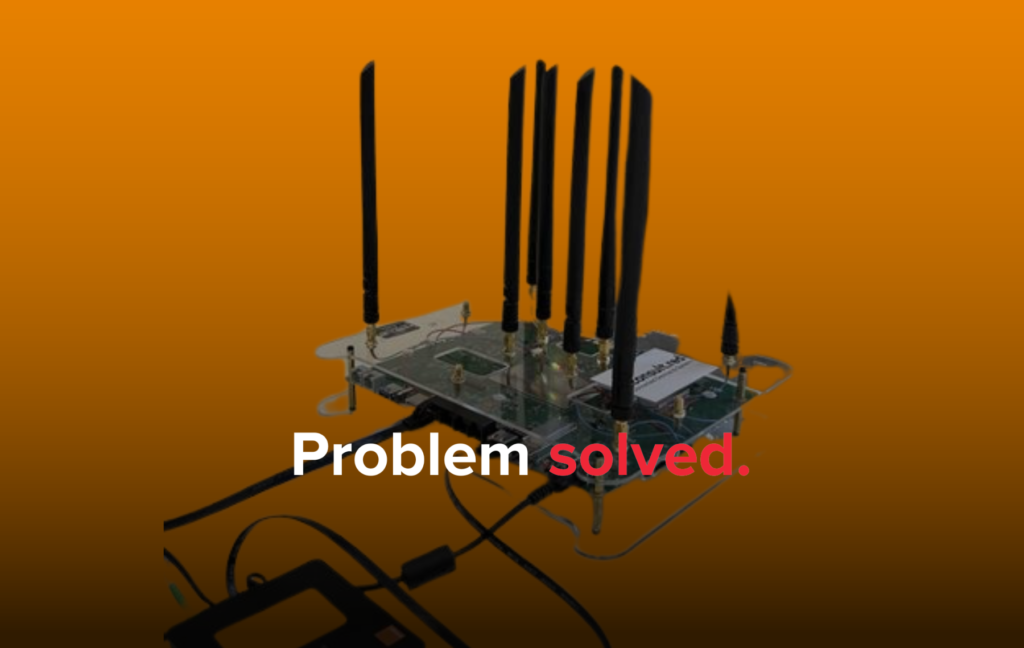
prplOS Platform Proof of Concept
Exploration and validation of software platform alternatives, supporting Orange Polska’s existing operational requirements.
Case Studies
Design, tune & test 24GHz radar solutions
The project’s goal was to designed, tuned and tested (DVT and Compliance) Frequency modulated (FMCW) radar solutions to detect presence / absence of people, and ignore […]
Case Studies
Considering RDK-V in a set top box middleware roadmap
Customer wanted to explore the implications of incorporating the community source Reference Development Kit for Video (RDK-V) into their middleware roadmap.