
RedSight®
Design-guided intelligent inspection for high-mix manufacturing
RedSight® inspects each unit against its own design data, not a learned baseline.
Patent pending. Runs on-site, with no cloud dependency.
Every unit is different. Every unit needs checking.
Hand-built and made-to-order products vary. One unit may share a layout with the last but still differ in a dozen places. Intelligent Inspection that compares an image against a reference unit struggles here, because it cannot tell an acceptable difference from a real fault.
At low volumes, there are also rarely enough sample images to teach a vision model what good looks like. And in a dense assembly, features hide behind other features, so a camera fixed in one place cannot see everything it needs to.
This is the problem in high-mix manufacturing, where products are high-value and low-volume, and no two builds are quite alike. So the check often falls back to people. It is slow, it varies between shifts, and a missing, misplaced or wrong part is easy to miss by eye.
Inspection that starts from your design
RedSight imports the product’s design data, so the system knows what correct looks like before it inspects anything. It then compares what the camera sees with that specification.
A conventional vision model flags whatever looks different from what it has learned. RedSight asks a different question: does this unit match its design?
A reference unit describes one product. The design describes the one you are building.
Because the reference is the design, hand-built variation is expected rather than treated as noise. Every unit is checked against its own specification.
It trains faster
RedSight validates against design data instead of learning from a large set of sample images, so it trains faster than a traditional visual-comparison model. For low-volume, made-to-order products, where sample images are scarce, that matters.
It traces faults back to the design
Because the system holds the design, it knows what should be where. A result says what is wrong and where, in plain English, rather than only that something looks different.
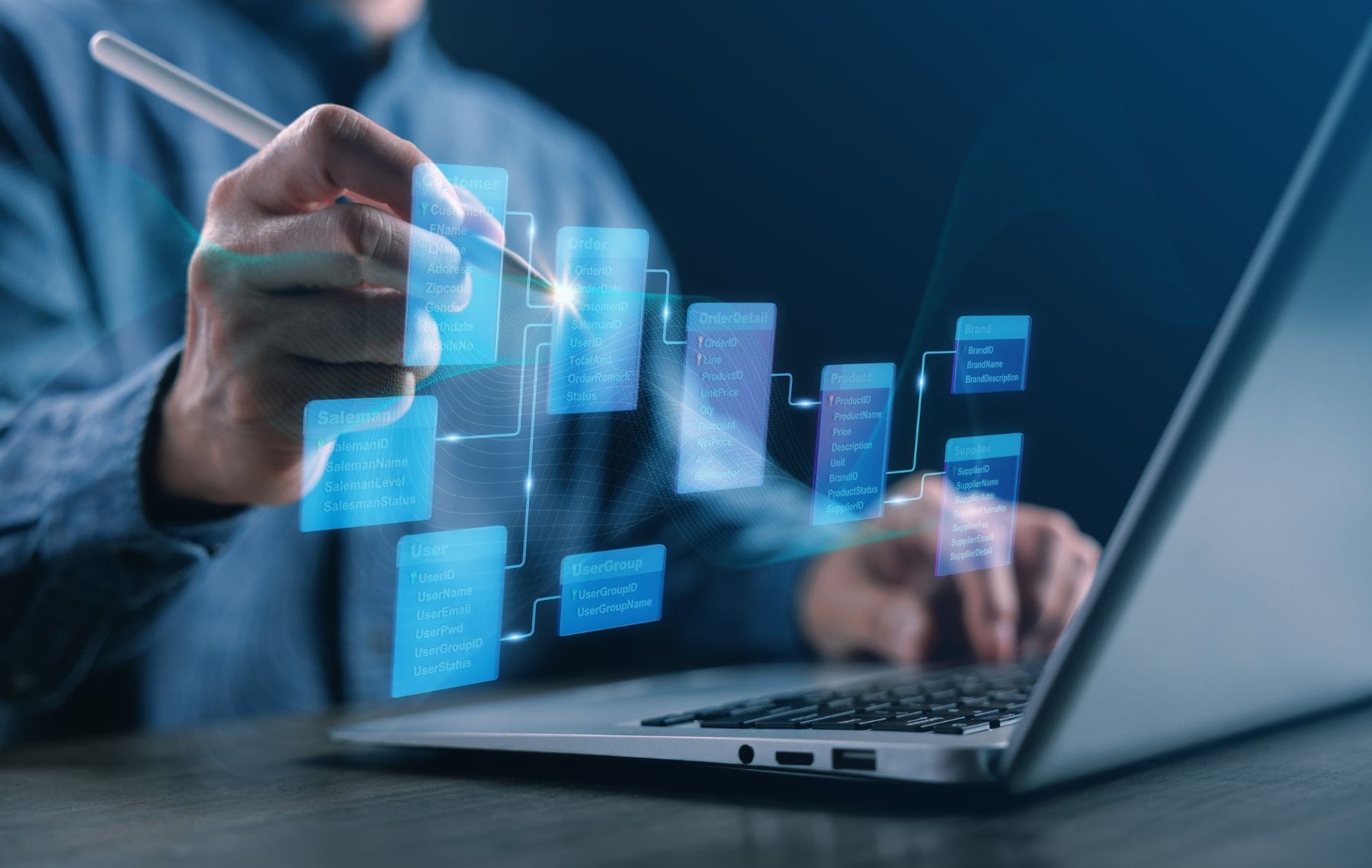
How RedSight works
RedSight turns your design data into a repeatable inspection in four steps.

Load the design
Import the product design data.

Capture and train
Cameras capture product images from exact, repeatable positions. RedSight builds a model of the product piece by piece, matches what it sees to the design, and automatically labels the training images. Nobody labels images by hand.

Inspect every unit
Image each unit from the same positions and check it against its design from multiple angles, as needed.

Report and record
You get a pass-or-fail result with the fault pinpointed and explained, and a record stored for traceability.
RedSight Wire: a practical use case
RedSight Wire is an application of RedSight for wiring and cabinet assembly, using a camera-equipped cobot. Control cabinets are dense, vary from build to build, and hide connections behind other components, making multi-angle inspection against the design necessary.
Here, the design data includes the cabinet’s components and wiring.
The cobot moves the camera around the cabinet, captures images from exact, repeatable positions and recreates the same views on each unit.
RedSight finds each part and wire and checks them against the design across multiple images.
Deploy it the way your line works
RedSight is flexible enough to fit your existing equipment and processes, with options including (The inspection architecture, models and deployment pipeline are the same in every case):
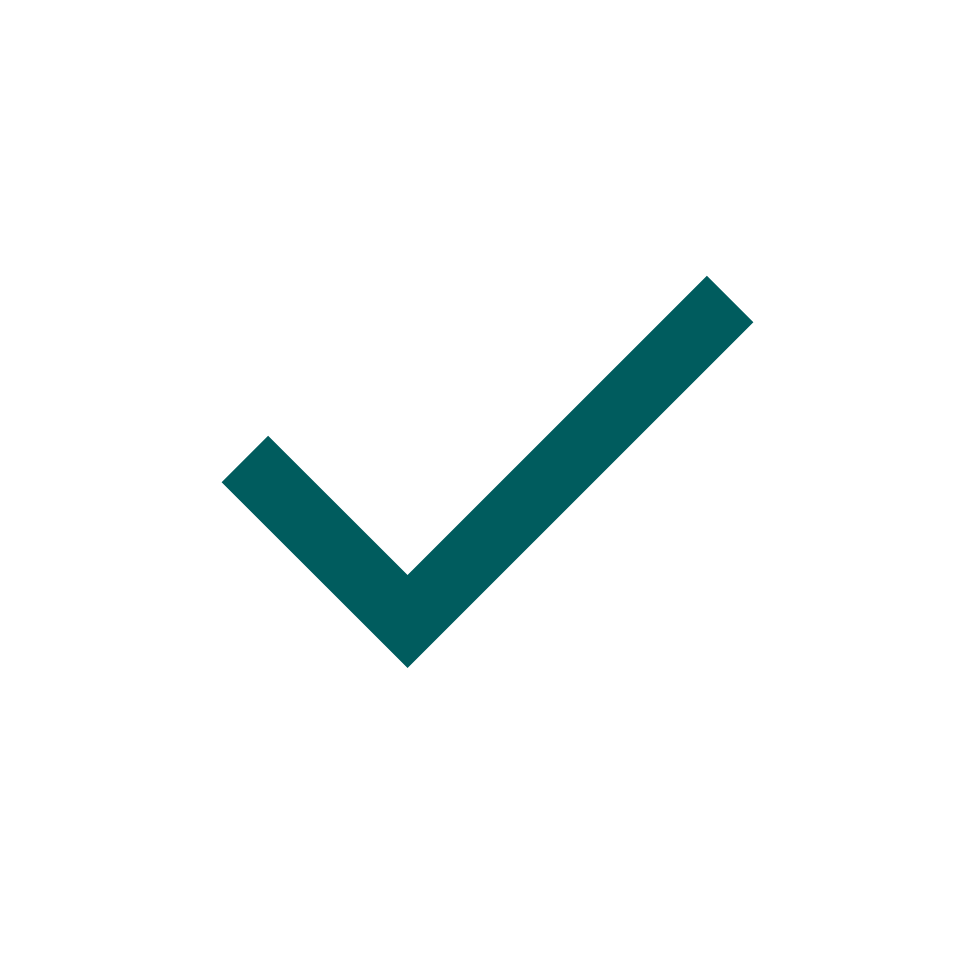
Fixed-mounted
Where access is straightforward, RedSight runs on a fixed camera or a flat X-Y rig at an inspection station.
Cobot-mounted
Where access is constrained or features are hidden behind others, a camera on a collaborative robot moves around the product, inspects from multiple angles and reaches areas a static camera cannot.
Your existing cameras
RedSight can also run on your existing cameras, including CCTV, so you don’t have to add new ones.
Engagement: Start with your inspection problem; prove it on your product
We work in stages, so you see results before committing to a wider roll-out:
Feasibility study
A study on your parts and samples, led by your inspection challenge rather than the solution, so you can see what RedSight will find in your product before committing to a build.
Demonstrator
Where it helps, we show fixed and cobot-enabled inspection side by side for your use case.
Pilot
We prove it on a single inspection task.
Roll out
You scale in phases, integrated with your existing production and quality systems. Optional support covers ongoing model refinement.
Benefits of RedSight

Consistent, dependable inspection
Every unit is checked the same way against its design, across shifts, lines and sites.
Adaptable to high-mix manufacturing
Each unit is checked against its own specification, so variation between builds is expected.

Driven by design specifications
RedSight compares what it sees with your design data, not a large set of sample images.

No cloud dependency
Inspection runs on site with no cloud round trip, and your data stays under your control.
Faster training and set-up
Validating against design data trains faster than a traditional visual-comparison model, cutting set-up time.

Automated training
RedSight automatically labels training images, so no operator has to label them by hand.
Talk to us about your high-mix inspection challenge
We’ll review your inspection challenges, data availability and production constraints, then outline a practical Edge AI approach with clear costs, risks and timelines.

Frequently Asked Questions
-
What is RedSight®?
RedSight is Consult Red’s patent-pending design-guided inspection solution for high-mix manufacturing. It imports a product’s design data and checks every unit against that specification, so it knows what should be there, not just whether something looks different. RedSight Wire is its application to wiring and cabinet assembly, using a camera on a collaborative robot.
-
How is RedSight different from conventional machine vision?
Conventional vision inspection typically compares images with a reference unit, or flags anything that differs from what a model has learned is normal. RedSight compares what the camera sees with the product’s design specification, so it can distinguish a missing or incorrect part from an acceptable difference between units.
-
Do we need a large set of sample images?
RedSight validates against your design data instead of learning from a large set of sample images, so it trains faster than a traditional visual-comparison model. That matters for low-volume, made-to-order products, where samples are scarce. We start with a feasibility study on your parts and samples to confirm what it will find in your product.
-
Does RedSight need the cloud?
No. RedSight can run on-site with no cloud dependency, so inspections don’t wait for a cloud round trip. Web-based tooling for model training is optional, not required.
-
Do we need to buy a robot or new cameras?
No. A cobot is one way of mounting the camera, used where access is constrained or features are hidden. Where access is straightforward, RedSight can run on a fixed camera or flat X-Y rig, or on cameras you already have, including CCTV. You choose your camera, robot, and computing hardware vendors because RedSight isn’t tied to one supplier.
-
Who is RedSight for?
RedSight is built for high-mix manufacturing: high-value, low-volume products where every build differs, and manual checks are slow. It targets control panel builders, industrial OEMs with complex inspection needs, and manufacturers in regulated or high-security sectors such as aerospace, defence, and infrastructure. If you have an assembly with design data and an inspection challenge, talk to us.
Related Insights
Articles
NPUs vs CPUs for Edge AI Vision: Less Heat, Less Power, More Headroom
Benchmarking industrial PPE detection – Raspberry Pi 5 vs Qualcomm QCS6490 (Rubik Pi 3)
Case Studies
Long distance HD video over copper for minicam
minicam needed to upgrade its camera systems from SD to HD without replacing existing copper cabling.
Articles
Fastest Doesn’t Always Mean Best: Optimising an Edge AI Pipeline on Rubik Pi 3
The fastest Edge AI pipeline isn’t always the right one: Python, C++, and GStreamer on the Rubik Pi 3’s NPU, compared on speed, CPU, memory, […]